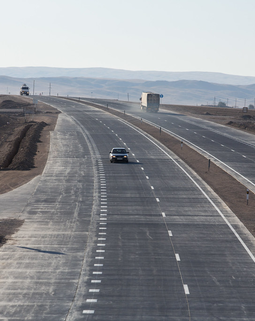

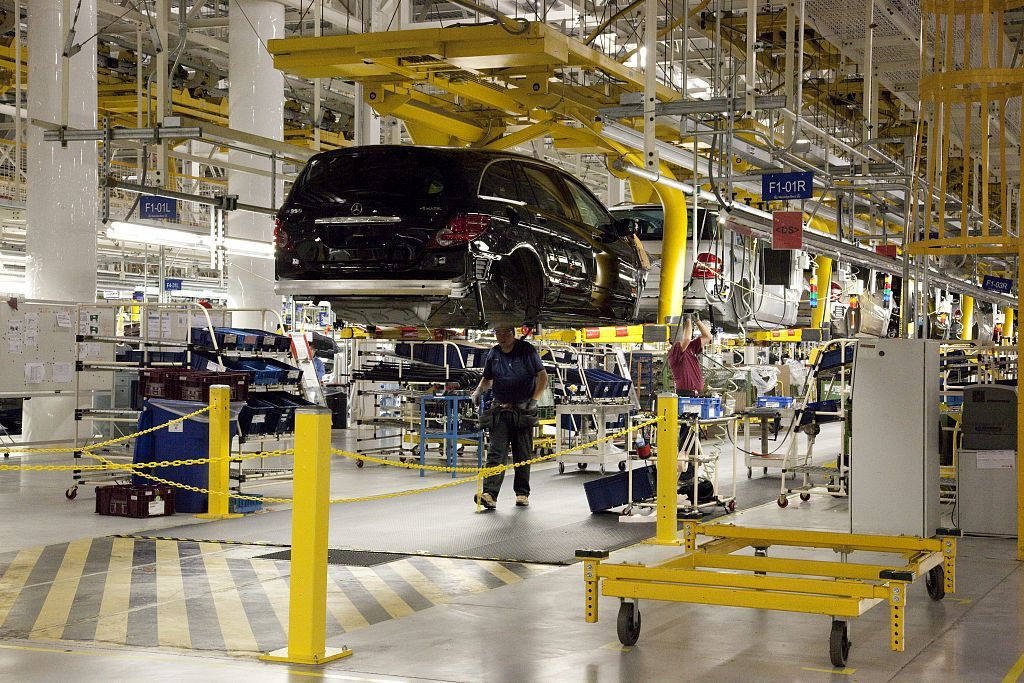
The Kazakhstan Automobile Industry enters 2026 with strong momentum following a record-breaking 2025, when the country produced 171,144 vehicles across passenger cars, buses, and trucks. With new factories, rising investments, and expanding global partnerships, the sector is now positioning itself for a more advanced and competitive phase of growth in 2026 and beyond. The addition of new production capacity, combined with increasing localization efforts, is expected to push Kazakhstan further into the regional automotive manufacturing spotlight under the evolving Kazakhstan Automobile Industry DT development strategy.
Strong Foundation Built in 2025
The performance of the Kazakhstan Automobile Industry in 2025 created a solid base for future expansion. With production surpassing 2.3 trillion tenge in value, the sector strengthened its role in the national economy and mechanical engineering industry. This growth was supported by new manufacturing plants, increased foreign investment, and rising demand for locally assembled vehicles.
New Plants Driving Industrial Expansion
Facilities such as Astana Motors Manufacturing Kazakhstan and Kia Qazaqstan have already begun reshaping the production landscape. These plants are expected to reach higher output levels in 2026 as operations stabilize and supply chains become more efficient. The Kazakhstan Automobile Industry DT outlook is closely tied to these new production hubs, which are designed to increase output and improve technology transfer from global automotive partners.
Rising Role of Local Manufacturing
Kazakhstan is steadily shifting toward greater localization of vehicle components. In 2026, more suppliers are expected to enter the market, supporting domestic production of parts and reducing reliance on imports. This transition is a key pillar of the Kazakhstan Automobile Industry DT roadmap for long-term sustainability.
Outlook for 2026: Expansion and Modernization
The year 2026 is expected to bring continued growth for the Kazakhstan Automobile Industry, driven by capacity expansion and technological upgrades across major plants.
Increased Production Capacity
With new facilities reaching full operational scale, overall vehicle production is expected to rise further in 2026. Passenger cars will likely remain the dominant segment, while commercial vehicle output is projected to grow steadily due to infrastructure and logistics demand.
Focus on Electric and Hybrid Vehicles
One of the most important shifts in 2026 will be the gradual introduction of hybrid and electric vehicle assembly lines. Although still in early stages, Kazakhstan is preparing for a transition toward cleaner mobility solutions in line with global automotive trends. Industry observers tracking developments through AsiaCarGroup note that emerging markets like Kazakhstan are increasingly integrating EV technologies into their industrial planning to remain competitive in the global supply chain.
Investment and Workforce Growth
The Kazakhstan Automobile Industry DT strategy also emphasizes continued investment and workforce expansion. In 2026, additional capital is expected to flow into automation, robotics, and component manufacturing facilities.
Strengthening Employment Opportunities
The automotive sector already employs more than 11,000 workers, and this number is expected to grow as new production lines come online. Additional jobs will also be created in logistics, maintenance, and supplier industries.
Expanding Export Potential
Kazakhstan is gradually positioning itself as an export-oriented automotive hub in Central Asia. In 2026, increased production efficiency could enable the country to expand exports to neighboring markets.
Key Growth Drivers in 2026
Several factors are expected to shape the Kazakhstan Automobile Industry in 2026:
-
Full-scale production from newly launched plants
-
Expansion of Hyundai and Kia manufacturing lines
-
Growth in commercial vehicle demand
-
Increased localization of parts and components
-
Early-stage EV integration into production systems
These drivers collectively support the long-term Kazakhstan Automobile Industry DT development framework.
Conclusion
The Kazakhstan Automobile Industry enters 2026 with strong momentum, building on record production, new industrial facilities, and growing investment inflows. With continued expansion in manufacturing capacity, rising localization, and early steps toward electric mobility, the sector is set to evolve further in the coming years. If current trends continue, Kazakhstan could strengthen its position as one of Central Asia’s leading automotive production hubs by the end of the decade.
Join the Conversation
Do you think Kazakhstan’s automotive industry can compete globally in the next 5–10 years? Share your thoughts and predictions in the comments about the future of the Kazakhstan Automobile Industry DT.