
Kazakhstan is experiencing a noticeable uptick in the prevalence of electric vehicles in Kazakhstan, with the number of registered EVs reaching almost 19,000 units by mid-2025. This growth reflects both policy shifts and increasing consumer interest in clean transport.
Uptick in registrations and market momentum
The stock of electric vehicles in Kazakhstan surged significantly in recent years. As of August 2025, there were approximately 19,100 EVs registered, up nearly 80 % from the previous year. This rise is notable in the context of Kazakhstan’s overall vehicle fleet, where EVs still account for less than 1 % of all cars—but the momentum is evident. Major urban centres such as Almaty and Astana lead the way in EV adoption, while other regions remain far behind.
Policy drive and incentives
Stimulating the growth of electric vehicles in Kazakhstan has been a government priority. New legislation introduced in July 2024 reformed transport laws to support EV uptake, including incentives for importers, reduced registration costs, and support for charging infrastructure. These policy shifts have played a crucial role in making EVs more accessible and aligning the country with broader sustainability goals.
Infrastructure and charging network
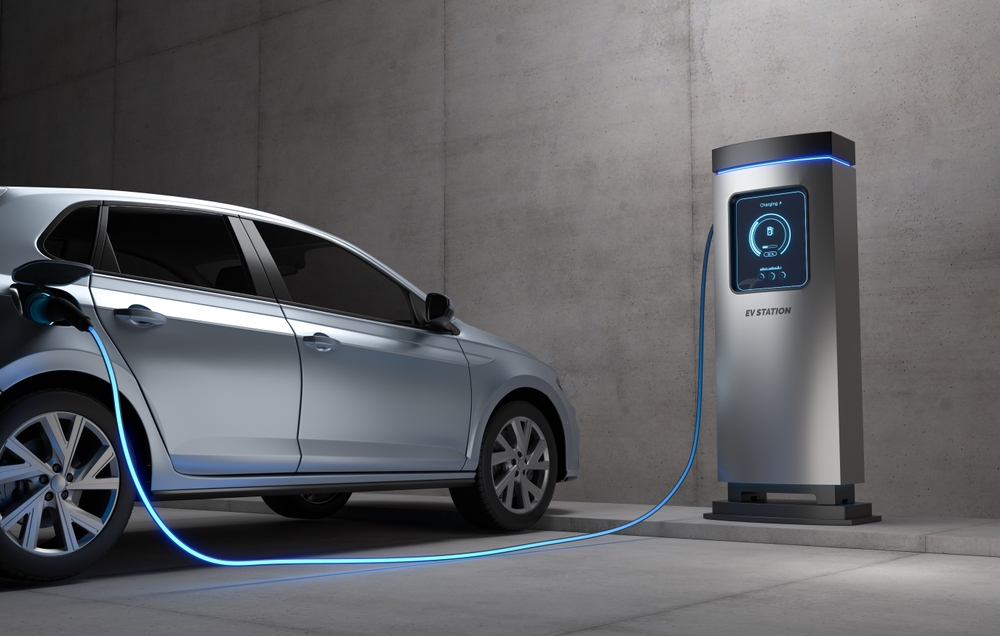
For electric vehicles in Kazakhstan to truly scale, charging infrastructure is critical. While Kazakhstan is developing EV-charging networks, the pace must accelerate. The number of charging stations is growing, but to match the ambitions for hundreds of thousands of EVs, the country needs broader coverage—particularly along major corridors and in regional centres. Dense urban hubs are ahead of rural zones, which poses a geographic challenge to widespread EV adoption.
Market dynamics and consumer barriers
Despite strong growth, the ecosystem for electric vehicles in Kazakhstan faces obstacles. High upfront costs, limited model availability, and regional disparities in infrastructure slow down adoption. For many potential buyers outside big cities, the lack of charging options and uncertain resale values act as deterrents. Nonetheless, as awareness increases and import duties remain favourable, more consumers are considering EVs.
Environmental and economic implications
The rise of electric vehicles in Kazakhstan has the potential to deliver environmental benefits by reducing emissions from transportation—a sector that contributes significantly to the country’s greenhouse-gas output. Beyond the environment, EV adoption supports the development of a new green mobility industry, creates opportunities for investment, and signals Kazakhstan’s alignment with global energy transition trends.
The road ahead: scaling up and integrating
To turn the current upward trend in electric vehicles in Kazakhstan into a long-term shift, several actions are imperative: expanding charging infrastructure across regions, collaborating with private-sector mobility platforms, and integrating EV growth into urban-transport planning. Platforms that enable fleet management, shared mobility and second-life battery usage will also be key to delivering cost-effective EV solutions. For example, those exploring fleet upgrades or EV-leasing models can start by reviewing options on Auto24 Africa.
The arrival of electric vehicles in Kazakhstan marks a turning point for transport and mobility in the region. While EVs are still a small portion of the total vehicle fleet, their growth is generating new market dynamics, investment flows and environmental momentum. As infrastructure, policy and consumer readiness align, Kazakhstan is poised to embrace an electric-mobility era that could reshape how people move today and tomorrow.
What are your thoughts on the growing shift to electric vehicles in Kazakhstan? Share your views in the comments below — your insight could spark the next wave of mobility innovation!