
Kazakhstan is steadily transforming its auto landscape by pushing forward the Kazakhstan EV market through strategic incentives, infrastructure expansion, and urban mobility shifts. These policies are laying the foundation for a greener, more efficient transportation ecosystem.
Ambitious EV Adoption Targets Drive Momentum
Kazakhstan aims to elevate electric and hybrid vehicle usage to make up 30% of total vehicle registrations by 2030. This target underscores the national commitment to low-carbon mobility and positions the Kazakhstan EV market on a clear trajectory toward broader adoption and environmental sustainability.
Charging Infrastructure Expands Fast
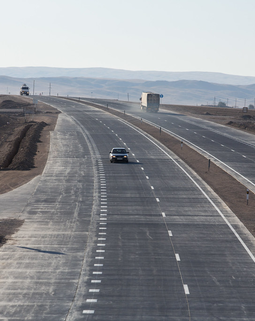
The growth of the Kazakhstan EV market hinges on reliable charging networks. Over 28 stations already operate along national highways, and 20 more are set to open by the end of 2025. Ambitious plans forecast over 2,000 public charging points by 2025, including high-powered DC fast chargers, spreading access well beyond major cities. Initiatives like this aim to serve both passenger cars and commercial fleets, including buses and light trucks, reinforcing EV viability across sectors.
Grid Capacity and Energy Alignment
A critical question for EV growth is power readiness. Kazakhstan’s grid is built to handle surging demand; national energy capacity is expanding to offset increased consumption from EV charging. Projects include new high-capacity power plants and upgrades to existing infrastructure—ensuring charging demand is met without compromising stability. This scalability is essential for the Kazakhstan EV market to thrive.
Electric Buses Transform Urban Mobility
Major cities like Almaty and Astana are integrating electric buses into public fleets under programs like the “Clean Air Initiative.” Operators are deploying hundreds of electric buses and trolleybuses, signaling a significant municipal shift towards Kazakhstan EV market adoption that improves air quality and supports zero-emission transport goals.
What It All Means for the Future
Kazakhstan’s combination of bold targets, expanding infrastructure, grid readiness, and public transport modernisation is forging a solid roadmap for the Kazakhstan EV market. The next phase will depend on consistent policy implementation, private-sector engagement, and continued consumer confidence in electric mobility.
Explore available EV models or charging services through the Asia Car Group’s portal.
Are you considering going electric in Kazakhstan? Share your thoughts or questions below—your input can help steer the Kazakhstan EV market toward a cleaner, brighter future!