

As the frosty Central Asian winter approaches, local drivers must prepare their vehicles for treacherous icy roads. Understanding the newly updated winter tire laws for the 2026 season is crucial not only for your personal safety but also to avoid hefty financial penalties.
The mandatory winter season Timeline
In Kazakhstan, the rules surrounding seasonal driving equipment are strictly dictated by the broader Customs Union regulations. According to the current winter tire laws, entering the mandatory winter season requires all passenger vehicles to be fully equipped with appropriate winter or all-season tires marked with M+S or the 3PMSF (Three-Peak Mountain Snowflake) symbol. This strict requirement officially begins on December 1 and lasts continuously until the end of February.
During these three freezing months, driving on standard summer tires is entirely illegal. Traffic police heavily patrol major highways and urban centers to enforce these strict winter tire laws.
Rules for studded rubber
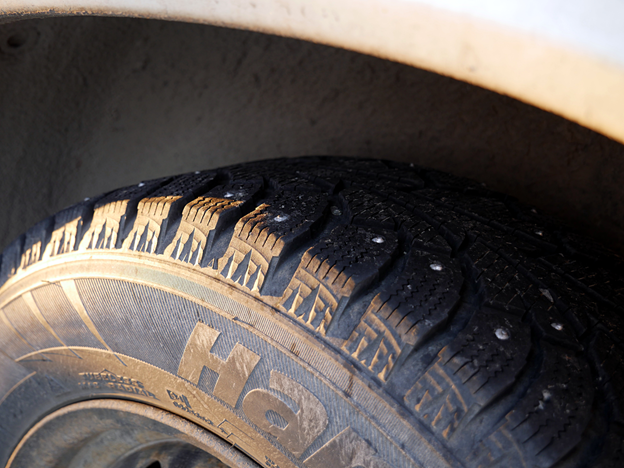
While standard friction winter tires are highly popular, many drivers dealing with severe compacted snow and black ice prefer to use studded rubber. The winter tire laws explicitly permit the use of studded tires during the winter months to maximize traction. However, there is a strict prohibition attached to them. To protect the integrity of the national asphalt infrastructure from severe degradation, studded tires are strictly banned during the warm summer months—specifically June, July, and August. Drivers who fail to swap out their studded sets before the summer heat arrives will face the same strict penalties as those ignoring the winter mandates.
Enforcement and the fine for summer tires
For the 2026 season, authorities have made it clear that non-compliance will not be tolerated. The initial fine for summer tires caught during the winter months is set at 5 times the Monthly Calculation Index (MCI). As the benchmark inflates slightly year over year, this translates to nearly 20,000 tenge for a first-time offense.
If a driver is caught repeatedly violating the winter tire laws within the same year, the penalty sharply increases to 20 MCIs, severely impacting the driver's wallet. Ensuring your tires meet the minimum tread depth requirement of 4 mm and carry the correct mountain-snowflake certification is the only way to avoid these severe fines.
Beyond the legal requirements, the physical benefits of compliant tires cannot be ignored. The specialized rubber compounds used in winter tires are designed to remain flexible in sub-zero temperatures, drastically reducing braking distances on slick surfaces. By complying with the winter tire laws, you actively decrease the likelihood of preventable collisions.
Staying Updated with Regional Policies
As the government continues to modernize its road safety standards, keeping up to date with the latest legislative changes is highly recommended for all daily commuters and commercial operators. For those who want to seamlessly track shifting automotive regulations, new traffic policies, and regional market trends, you can easily explore expert daily updates at AsiaCarNews.
Ultimately, strictly adhering to the national winter tire laws is not just about dodging a traffic ticket; it is about ensuring that you, your passengers, and your fellow motorists safely navigate the harsh, unpredictable winter conditions.
Are you already preparing your car for the upcoming winter freeze? Do you prefer driving with studded tires or standard friction tires when the snow hits? Share your winter driving tips and experiences in the comments below