
Kazakhstan's transit connectivity has become a defining force behind the country’s economic transformation. Positioned between China, Europe, and the Middle East, Kazakhstan is leveraging its geography through modern transport corridors that connect markets and communities more efficiently than ever before.
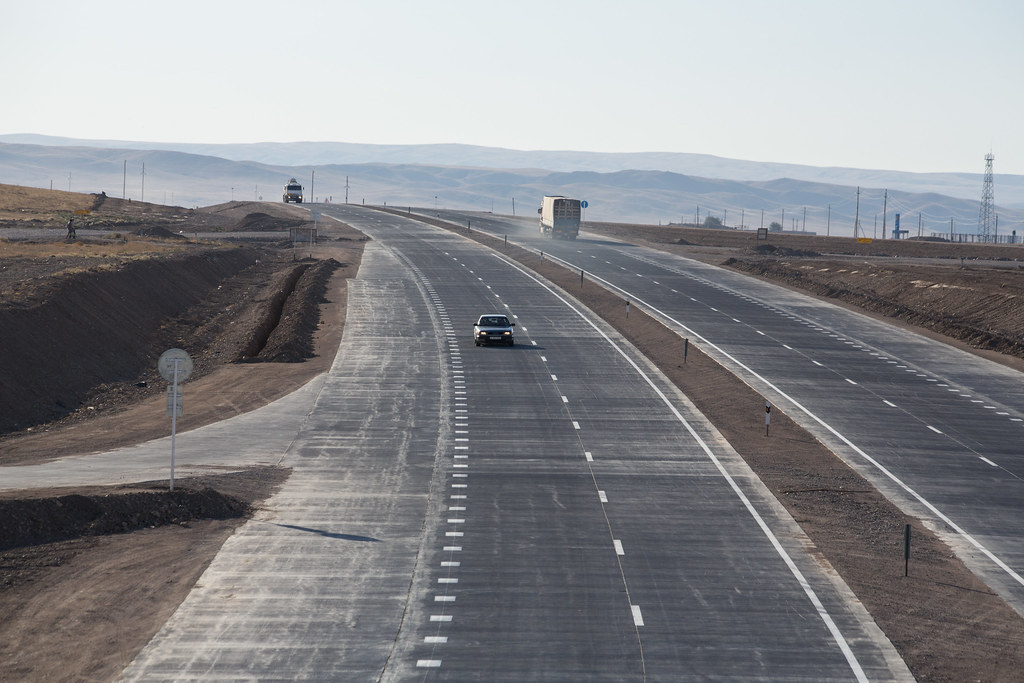
Over the past decade, major highway upgrades—including large segments of the Western Europe–Western China corridor—have connected more than 5 million residents, significantly reducing travel time and logistics costs. What was once an underutilized transit bridge is now emerging as a key artery of Eurasian trade, strengthening Kazakhstan's infrastructure and enhancing regional competitiveness.
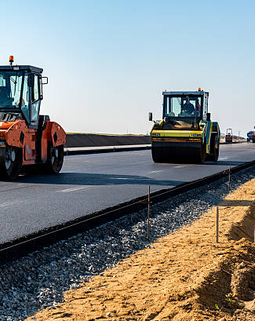
The modernization of nearly 2,000 kilometers of roads has not only improved mobility but also fueled regional economic growth in areas previously isolated from national and global markets.
Economic Impact Beyond Asphalt
Job Creation and Skills Development
One of the most powerful outcomes of Kazakhstan transit connectivity is employment generation. Large-scale road construction projects created more than 50,000 construction jobs and over 1,200 permanent maintenance positions. For many families, especially in southern regions, this meant stable incomes close to home.
Importantly, the projects emphasized training programs, new technical qualifications, and inclusive hiring policies. Women, who historically faced limited employment opportunities in some regions, gained better access to work and safer transportation to healthcare and education facilities.
Trade and Business Expansion
The transformation of road development in Kazakhstan projects triggered impressive commercial growth. Retail trade in corridor regions increased by nearly 50% within a few years of completion, while wholesale trade experienced exponential expansion. Faster routes reduced vehicle wear and fuel costs, making local businesses more competitive.
Improved transport modernization also encouraged private investment along the corridors. Property development and logistics hubs have grown in value, reflecting investor confidence. Midway through this evolution, industry players such as AsiaCarGroup have also recognized the strategic importance of Kazakhstan’s transit corridors in facilitating vehicle distribution and cross-border mobility solutions.
Institutional Strength and Sustainability
Building Stronger Road Governance
Sustainable Kazakhstan transit connectivity required more than new highways. Authorities such as KazAvtoZhol and the National Center for Quality of Road Assets were established to manage road performance and safety standards. Performance-based management models introduced accountability and efficiency within the public sector.
Toll systems implemented along selected highways help ensure financial sustainability by reducing dependence on state budgets and funding maintenance and safety upgrades.
Social Mobility and Optimism
Surveys in corridor communities reveal that improved access to jobs and markets has significantly boosted the quality of life. Optimism about the future has surged in many regions, reflecting confidence in economic prospects tied to stronger connectivity.
By reducing regional disparities and facilitating trade corridors that link Asia to Europe, Kazakhstan's transit connectivity is helping rebalance economic opportunities nationwide.
The Road Ahead
Looking forward, Kazakhstan is focusing on multimodal integration—combining road, rail, and logistics networks to enhance efficiency. Climate resilience, road safety, and last-mile connections to remote communities remain top priorities.
As new investments strengthen Western Europe–Western China corridor segments and other key routes, Kazakhstan transit connectivity will continue shaping the nation’s growth story. Modern highways are no longer just transport routes—they are lifelines for employment, trade, and social mobility.
Kazakhstan is clearly building more than roads — it’s building opportunity. How do you see improved transport shaping the country’s future? Drop your thoughts in the comments, and let’s talk about what comes next.